
By Mrinal Mittal, MD, Homeland Group
India’s urban centres are undergoing a visible transformation in the way people interact with commercial spaces. Shopping destinations are no longer functioning merely as places of transaction they are increasingly evolving into lifestyle ecosystems where entertainment, dining, culture, wellness and community engagement are becoming the primary drivers of footfall.
This shift reflects a much larger change in consumer behaviour and urban aspirations. As digital commerce continues to fulfil routine purchasing needs with convenience and speed, physical retail spaces are being compelled to offer something technology cannot replicate human interaction immersive experiences and emotional connection.
The numbers clearly underline this transition. According to industry estimates. India’s retail sector is expected to surpass USD 2.3 trillion by 2030 while organised retail alone is projected to reach nearly USD 230 billion over the same period. Simultaneously, India’s consumption economy is expected to touch the USD 1 trillion mark by the end of the decade driven by rising disposable incomes rapid urbanisation and a young aspirational population.
However, what is truly reshaping the retail landscape is not just economic growth but the rise of the experience economy.
Recent industry studies by CBRE and Invest India reveal that more than 70% of consumers across age groups now prefer participatory and experience led activities such as gaming zones, bowling alleys, live entertainment venues, food experiences and immersive social environments over passive formats. Nearly 90% of respondents surveyed indicated a willingness to spend regularly on entertainment and leisure activities every month.
This behavioural shift is changing the very definition of successful urban developments.
Earlier retail destinations were evaluated largely on the basis of brand mix and transactional volume. Today, the emphasis has moved towards dwell time, repeat visits, social engagement and overall experience value. Consumers increasingly choose destinations where they can spend an entire evening rather than simply complete a purchase and leave.
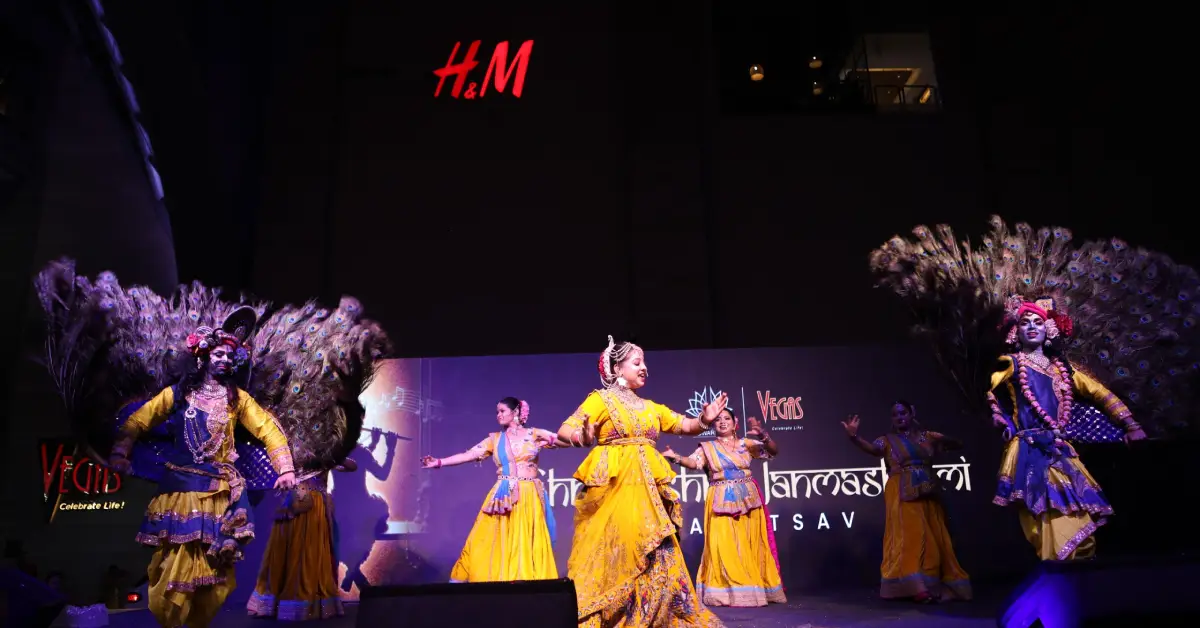
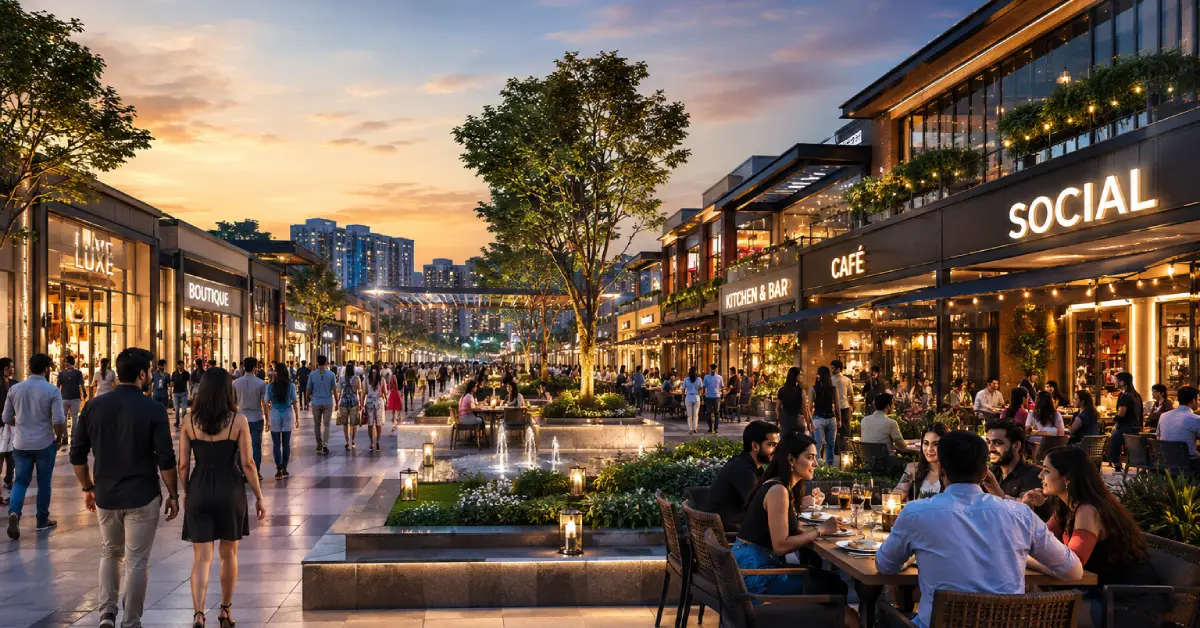
As a result, experiential elements are now becoming central to commercial planning. Open-air boulevards, curated food streets, cultural festivals, live performances, wellness zones, interactive public spaces, art installations and community-driven events are emerging as critical components of modern retail developments.
The evolution is especially evident in India’s emerging cities and high-growth urban corridors where rising incomes and lifestyle aspirations are rapidly altering consumption patterns. Families are looking for safe and vibrant destinations that combine recreation with convenience. Young professionals seek social spaces that encourage interaction networking and leisure. Communities are placing greater importance on destinations that foster a sense of belonging rather than isolated commercial activity.
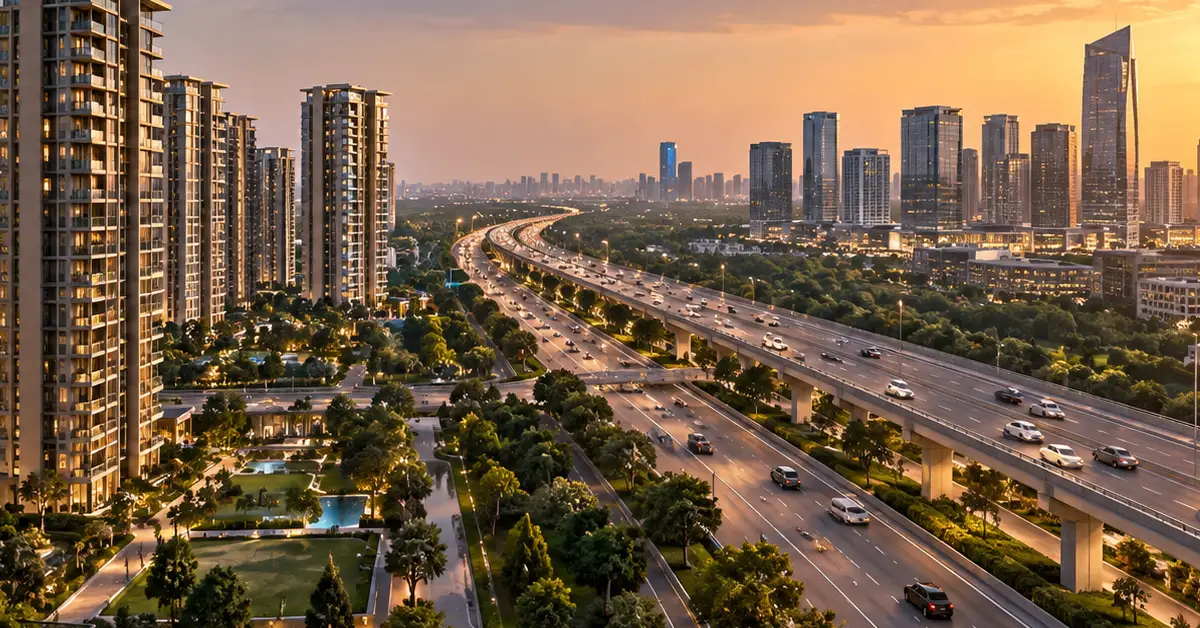
This is also influencing the way developers approach urban planning. The focus is steadily shifting from constructing standalone retail projects towards building integrated mixed-use ecosystems that combine retail, hospitality, entertainment, office spaces and green infrastructure within a cohesive environment.
Globally successful cities have long understood the importance of experiential districts in shaping urban identity and economic vibrancy. India is now witnessing a similar transition. Commercial developments are increasingly emerging as social landmarks that influence how people engage with their city.
The market is already responding to this change. India’s retail leasing activity touched record highs in 2025 with nearly 8.9 million square feet leased across the top seven cities, driven largely by entertainment, food & beverage and lifestyle-focused formats. Industry reports also indicate that entertainment zones now occupy nearly 13–15% of tenant mix in major malls significantly higher than previous benchmarks reflecting the growing importance of experiential engagement in driving sustained footfall.
Importantly experiential spaces are not just commercial assets; they are becoming critical components of urban social infrastructure. They generate employment, support local entrepreneurship, encourage tourism and create vibrant public environments where communities can interact and engage.
At a time when cities are expanding rapidly and urban lifestyles are becoming increasingly experience-driven the future of development will be shaped by projects that prioritise engagement as much as infrastructure.
The next generation of urban destinations will not be remembered merely for the scale of construction, but for the quality of experiences they create. In many ways the future of retail is no longer about shopping alone, it’s about building places where people genuinely want to spend time, connect and participate in city life.