
Rishikesh: One thing has become difficult to ignore over the past few years, especially in the context of spiritual towns and places with a salubrious climate. Instead of distance, buyers are increasingly asking how long they would actually want to stay there. Rail, road and air connectivity with the nearest cities are other important considerations.
Rishikesh aptly fits on all counts. At the same time, it has always attracted people for reasons that had little to do with real estate. Pilgrims come in search of faith. Then there are others who visit the town for yoga, meditation or simply to escape from the hectic pace of urban life. Most leave believing that they had visited a place worth returning to, not necessarily a place where they might one day own a home. It is a distinction that in increasingly becoming less clear. As a result, some of the earliest signs would never appear in market reports. Buyers who once asked only about hotels begin enquiring about neighbourhoods, and weekend visitors return with parents or children. They are small behavioural changes, but they often appear before a residential market begins to mature.
At the same time, Rishikesh benefits from something that many emerging residential locations struggle to build. It has an identity that was never created by developers. Its distinctive place in India’s spiritual landscape was established centuries ago. The city’s connection with the Char Dham Yatra also ensures a steady flow of visitors through much of the year, while its yoga institutions and wellness centres continue to attract people from India and abroad.
Infrastructure is beginning to support this shift. Better road connectivity, easy access through Dehradun’s Jolly Grant Airport and the approved Rs. 1,105 crore four-lane Rishikesh bypass are making the city more practical for frequent travel and longer stays.
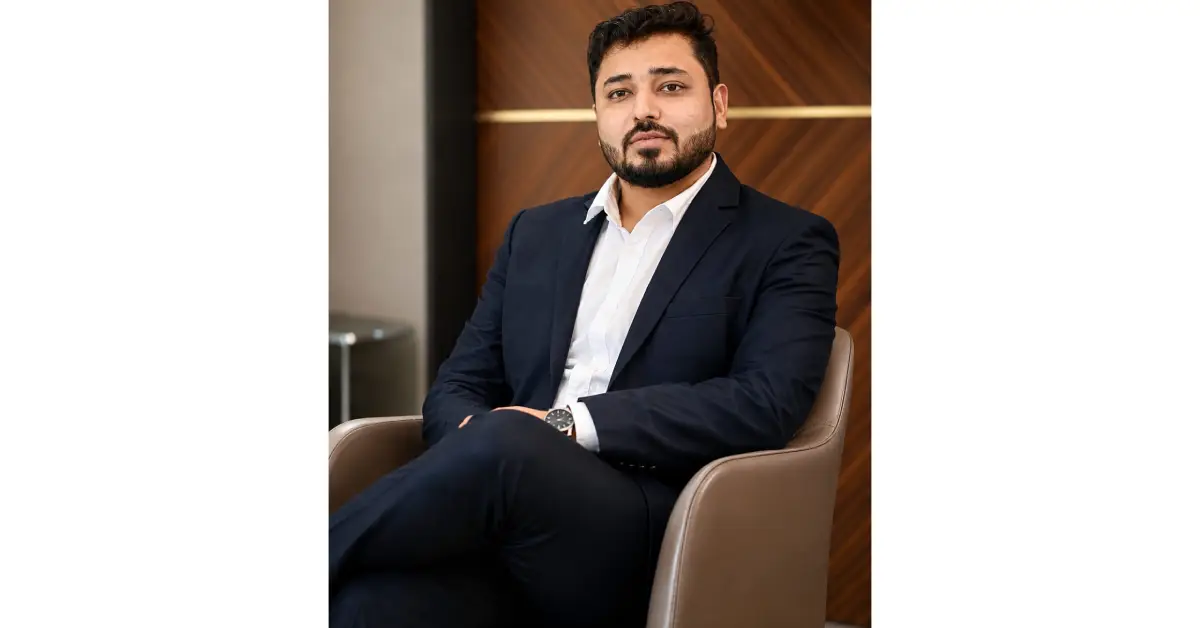
“We have seen buyer priorities change gradually over the years. Space and specifications are definitely important, but they are no longer enough on their own. Increasingly, buyers ask whether a place will improve the way they live, not simply where they will live. Rishikesh stands apart because its appeal was never created by the real estate market. It already possesses a cultural and spiritual identity that people value deeply. The responsibility of a developer is to build in a way that protects that identity while creating homes that are relevant for the future,” said Dr Annkit A Jayant, CEO, HP Global Infrra.
The focus around second homes has also become noticeably different. A few years ago, they were largely aspirational purchases, used occasionally and valued more as lifestyle assets. Today, many buyers expect these homes to accommodate extended stays, remote work or retirement. Reliable infrastructure, healthcare, everyday conveniences and a sense of community begin to matter as much as the surroundings themselves. This is where destinations like Rishikesh deserve closer attention. They offer qualities that cannot be replicated through planning alone. Nature, spiritual character and a slower rhythm of life have become part of their identity over decades. Residential development can complement those qualities.
HP Global Infrra sees this as a long-term market rather than a short-term opportunity. The company’s experience in Uttarakhand has reinforced a simple belief. Residential projects in places like Rishikesh should respond to the character of the location instead of attempting to redefine it. Luxury, in such markets, is expressed less through excess and more through restraint, thoughtful planning and respect for the surroundings.
Residential markets rarely announce that they have entered a new phase. They reveal it quietly, one buyer conversation at a time. Rishikesh still attracts people for the reasons it always has. The difference is that a growing number no longer seem in a hurry to leave.