
By Mrinaal Mittal, Managing Director, Homeland Group
India’s consumption story is evolving, and few periods reflect this transformation as clearly as the festive and wedding seasons. Traditionally regarded as peak shopping periods, these occasions are now revealing a much deeper shift in how Indian consumers discover brands, evaluate products and spend on lifestyle experiences. The change is not simply about increased purchasing power; it is about changing priorities, rising aspirations and a growing desire for more meaningful consumption.
The Indian consumer today is more informed, discerning and experience-conscious. Purchasing decisions are increasingly influenced by a combination of quality, brand credibility, design, convenience and emotional value. Consumers are willing to invest in products and experiences that align with their lifestyles, making festive and wedding seasons important indicators of the direction in which organised retail is heading.
For the retail industry, this presents a significant opportunity as well as a need to rethink traditional approaches. The focus is gradually moving from seasonal sales and transactional shopping towards building lasting consumer relationships through differentiated offerings, curated experiences and integrated retail environments.
From Festive Buying to Aspirational Consumption
Festive shopping in India has historically been associated with gifting, apparel, jewellery, electronics and home upgrades. However, the nature of this spending is changing. Consumers are increasingly approaching festive purchases as an opportunity to invest in their lifestyles rather than simply fulfil traditional shopping requirements.
Premiumisation is an important part of this shift. Across categories such as fashion, beauty, accessories, electronics and home décor, consumers are demonstrating a greater preference for quality, distinctive design and products that offer a sense of individuality. This does not necessarily translate into luxury consumption alone. It also reflects a willingness to seek better experiences and greater value from every purchase.
Another important development is the growing influence of younger consumers and aspirational households. Their preferences are shaped by global trends, digital discovery and greater exposure to brands and lifestyle choices. As a result, the definition of a desirable purchase is expanding beyond functionality to include aesthetics, personal expression and the overall experience associated with a brand.
The Wedding Economy: A Powerful Driver of Retail Demand
India’s wedding economy represents one of the most diverse consumption opportunities for organised retail. What makes this segment particularly significant is the breadth of categories it influences. From bridal and occasion wear to jewellery, beauty, accessories, gifting, electronics and home furnishings, wedding-related consumption creates demand across multiple retail segments.
The nature of wedding shopping is also becoming more sophisticated. Consumers are exploring curated collections, distinctive brands and premium experiences, while placing greater emphasis on personalisation and convenience. Shopping is increasingly spread across multiple occasions, from pre-wedding celebrations and family purchases to gifting and post-wedding lifestyle requirements.
For organised retail destinations, this creates an opportunity to serve a wider consumer ecosystem rather than focus on individual purchase categories. Bringing diverse brands, dining options and lifestyle offerings together allows families to meet multiple requirements within a single destination. The ability to combine convenience with choice and experience is becoming an important differentiator.
The Experience Is Becoming as Important as the Purchase
Perhaps the most significant transformation in consumer behaviour is the changing expectation from physical retail. With digital commerce offering convenience and easy access to products, physical shopping destinations must create additional reasons for consumers to visit.
The modern consumer is increasingly looking for an environment where shopping becomes part of a larger leisure experience. Dining, entertainment, social interaction, cultural activities and discovery are now integral to the appeal of organised retail destinations. This has fundamentally expanded the role of shopping malls.
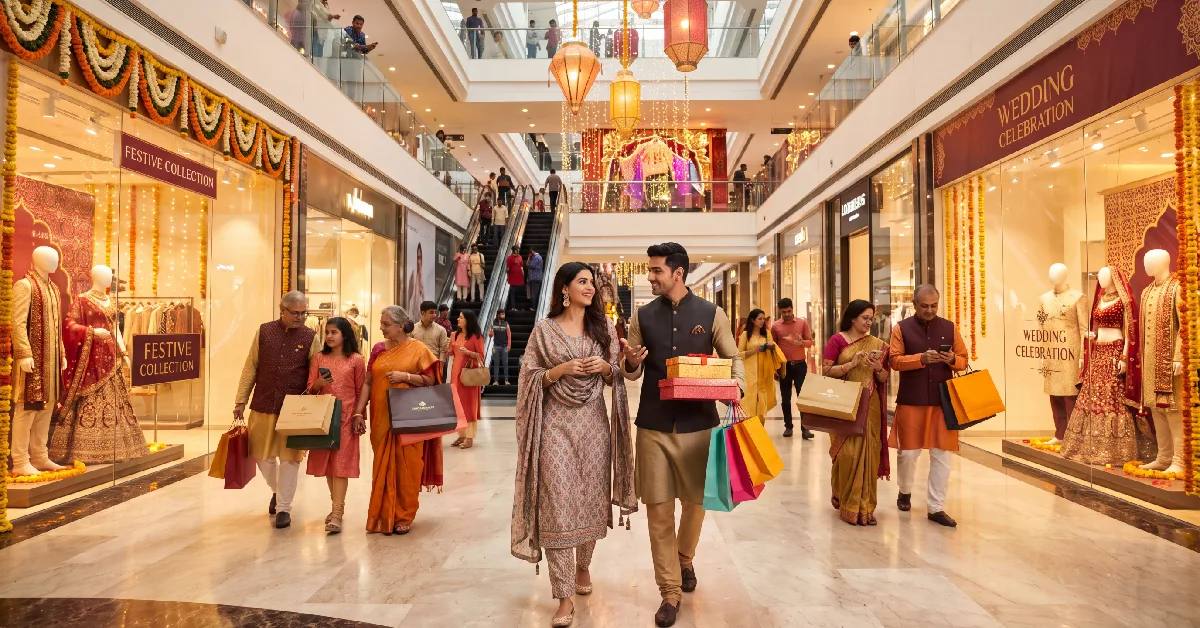
Festive and wedding seasons further reinforce this trend. Consumers are not only looking for products but also for occasions to celebrate, engage and spend time with family and friends. Seasonal installations, live performances, food festivals, interactive activations and curated brand experiences can transform a routine shopping visit into a memorable outing.
For mall operators, this calls for a more holistic approach to retail planning. A strong tenant mix remains important, but the larger proposition must be built around how people want to spend their time. The destinations that successfully combine commerce with entertainment, food and lifestyle experiences are better placed to build repeat engagement.
The Rise of Integrated Lifestyle Destinations
The evolution of organised retail is increasingly moving towards integrated destinations that bring multiple aspects of urban life together. Consumers value the convenience of having fashion, lifestyle, dining, entertainment and leisure within one environment. More importantly, they expect these offerings to complement one another and create a cohesive experience.
At Homeland Group, we believe that the future of retail lies in understanding this broader consumer aspiration. At CP67, the emphasis is on creating a destination where retail is complemented by food and beverage, entertainment and community-led experiences. Initiatives across lifestyle, cultural programming and consumer engagement reflect the growing importance of making shopping destinations relevant beyond individual transactions.
This shift also highlights the importance of programming and innovation. A retail destination cannot depend solely on its brand portfolio to sustain consumer interest. It must continuously introduce fresh experiences, respond to evolving preferences and create reasons for different consumer groups to return.
Digital Discovery, Physical Experiences
The relationship between digital and physical retail is also becoming increasingly interconnected. Today’s consumers often discover brands online, research products through digital platforms and engage with trends on social media before making an offline purchase. However, the physical retail environment continues to offer something digital platforms cannot fully replicate: the ability to experience products, interact with brands and enjoy social engagement.
The opportunity for organised retail is to bring these two worlds together. Technology-enabled loyalty programmes, personalised engagement, digital discovery and seamless consumer interactions can strengthen the overall shopping journey. At the same time, the physical environment must retain its distinct value through service, accessibility, variety and experiences.
The objective should not be to position online and offline retail as competing formats, but to recognise how both can contribute to a more connected consumer journey.
Building Retail Relevance Beyond the Festive Calendar
Festive and wedding seasons may generate concentrated periods of demand, but their real significance for the retail industry lies in the consumer insights they reveal. The growing preference for premium offerings, experiential shopping, curated choices and integrated destinations is not restricted to a few months of the year. These are structural shifts that will continue to influence retail behaviour.
For organised retail, the next phase of growth will depend on the ability to convert seasonal engagement into year-round relevance. This requires a combination of the right retail mix, meaningful brand associations, continuous experience-led programming and a deeper understanding of consumer expectations.
Ultimately, the new Indian consumer is redefining what a shopping destination should represent. It is no longer enough to offer a collection of stores under one roof. Consumers increasingly expect destinations that reflect their aspirations, provide convenience, encourage discovery and create opportunities for connection.
As India’s consumption landscape matures, the distinction between shopping, leisure and lifestyle will continue to narrow. The future of organised retail will belong to destinations that understand this convergence and build around it. Festive and wedding seasons may provide the momentum, but lasting consumer relationships will determine the real success of the retail ecosystem.