
The definition of premium housing in the Tricity region is undergoing a significant transformation. As Chandigarh, Mohali and Panchkula continue to evolve as prominent residential and economic destinations, homebuyers are becoming more discerning about what they expect from a residential development. While location, size and pricing remain important considerations, the decision to invest in a premium home is increasingly influenced by the overall living experience a development promises.
The shift reflects a broader change in consumer aspirations. Today’s homebuyers are looking beyond spacious apartments and conventional amenities. They want homes that offer a balance of functionality, aesthetics, privacy, convenience and well-being. Thoughtfully designed spaces, landscaped surroundings, community infrastructure and lifestyle-oriented amenities are becoming integral to the idea of premium living.
This evolution is also changing the way developers approach residential planning. Rather than focusing solely on the physical specifications of a home, there is growing emphasis on creating integrated living environments that respond to the everyday needs and aspirations of residents.
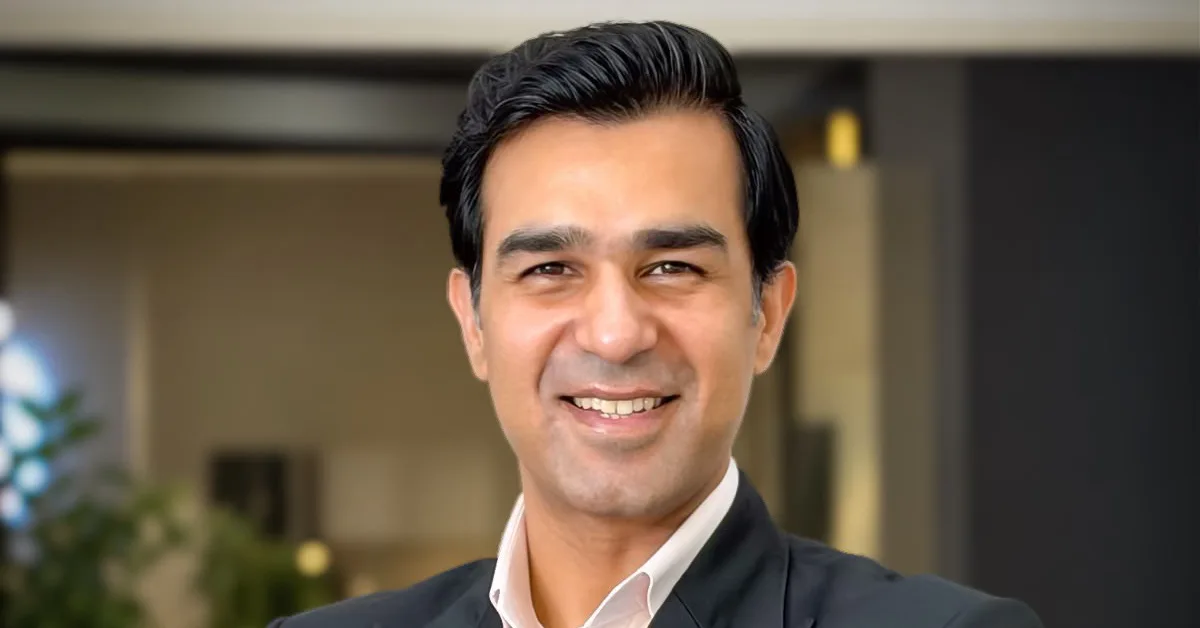
According to Gurinder Singh Bhatti, Chairman and Managing Director, GB Realty, “The expectations from premium housing have evolved considerably, particularly among homebuyers in the Tricity market. Buyers today are evaluating a residential development through a much wider lens, considering not just the apartment but the quality of the overall environment it offers. Design efficiency, privacy, open spaces, construction quality and well-planned amenities are all becoming important factors in decision-making. For developers, the responsibility is to create spaces that offer lasting value and remain relevant to changing lifestyle requirements rather than simply following trends.”
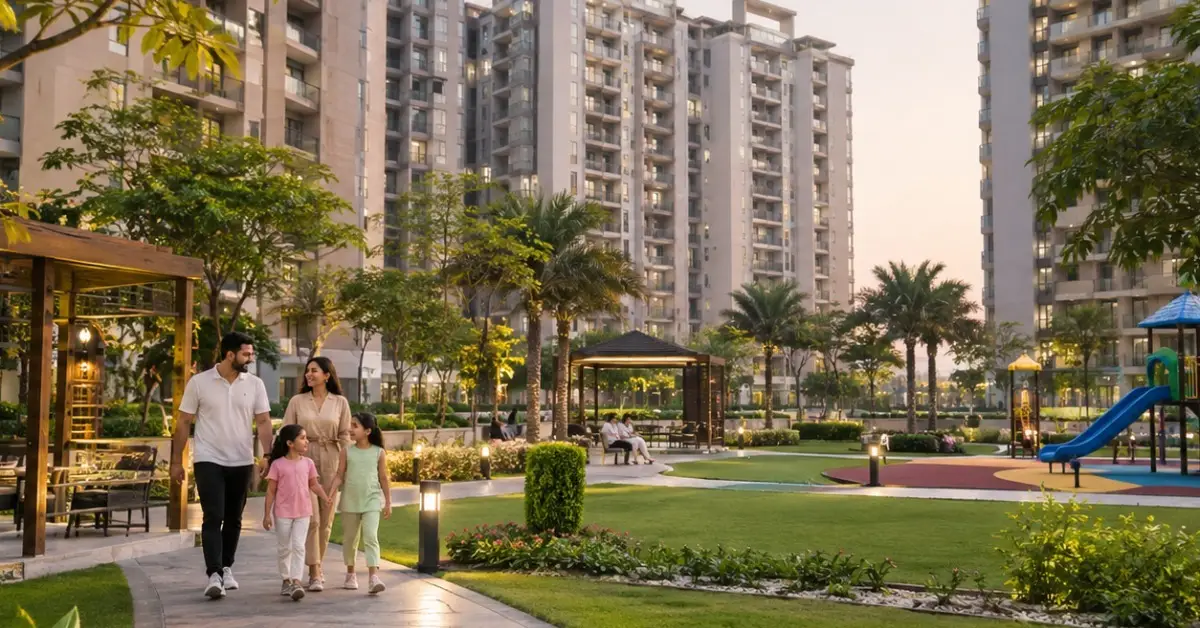
One of the most visible aspects of this changing preference is the growing importance of experiential living. Luxury is no longer defined exclusively by larger configurations, premium fittings or an impressive entrance lobby. Instead, it is increasingly associated with how a home and its surrounding environment contribute to everyday life. Residents are looking for spaces where they can work, relax, socialise, exercise and spend quality time with their families without having to compromise on convenience.
This has encouraged greater attention towards amenities that serve a meaningful purpose. Fitness and wellness facilities, dedicated recreational areas, landscaped green spaces, walking tracks, children’s activity zones and thoughtfully planned community spaces are becoming important components of premium residential projects. The emphasis is gradually shifting from the number of amenities to their usability, accessibility and relevance to residents.
Vishal Goyal, Director, Highland LifeSpaces, says, “Luxury housing is increasingly about the experience a development creates for its residents. Homebuyers want an environment that supports different aspects of their lifestyle, whether it is spending time with family, maintaining wellness, enjoying open spaces or having access to recreational facilities. Design and planning therefore need to go beyond the individual home and consider how the entire development functions as a living ecosystem. The focus should be on creating spaces that offer comfort, convenience and a sense of belonging over the long term.”
Another important factor shaping the premium housing market is the growing preference for homes that offer flexibility. Changing work patterns and evolving family structures have made buyers more conscious of how effectively a residential space can accommodate different requirements. Spacious layouts, adaptable rooms, natural light, ventilation and functional common areas are increasingly influencing purchase decisions.
Connectivity also continues to play a defining role in the Tricity’s residential growth. With Mohali emerging as an important destination for IT, commercial activity, education and healthcare, homebuyers are evaluating residential locations in relation to their workplaces, social infrastructure and everyday conveniences. At the same time, the appeal of planned developments with access to green spaces and a relatively balanced urban environment remains strong.
For developers, this presents an opportunity to rethink the relationship between housing and lifestyle. The emphasis is moving towards creating residential communities where the design of individual homes is complemented by the quality of shared spaces and the larger neighbourhood experience.
Tejpreet Singh Gill, Managing Director, Gillco, adds, “The premium homebuyer today is looking for a combination of comfort, functionality and long-term value. There is a growing preference for thoughtfully planned homes that provide adequate space, privacy and flexibility while also offering access to essential conveniences. In a market like Tricity, location continues to be important, but buyers are equally attentive to how a development fits into their everyday lives. We believe that residential planning must respond to these evolving expectations by prioritising practical design, quality and a well-rounded living environment.”
The growing interest in experiential housing also points towards a more mature premium residential market. Buyers are increasingly researching projects, comparing specifications and assessing the credibility and track record of developers before making investment decisions. This has placed greater importance on transparency, construction quality, timely delivery and the ability to translate proposed lifestyle features into tangible value.
For the Tricity region, these changing preferences are likely to influence the next phase of residential development. As the market expands and buyer expectations become more sophisticated, the distinction between conventional premium housing and experience-led luxury will become increasingly evident.
Ultimately, the future of premium housing will not be determined by the scale of a development or the number of amenities it offers, but by how thoughtfully it brings together design, functionality, community and convenience. The homebuyers of today are seeking more than an address; they are looking for an environment that complements their aspirations and enhances the quality of everyday living.