
As India heads into Union Budget 2026, the tourism, travel and hospitality sector stands at a decisive juncture. What began as a post-pandemic recovery has now evolved into a sustained demand cycle, positioning the sector as one of the strongest contributors to India’s services economy. With domestic travel at an all-time high, religious and medical tourism expanding rapidly, and hospitality investments spreading across metros and emerging destinations alike, the upcoming Budget is expected to play a crucial role in shaping the sector’s long-term trajectory.
The tourism and travel sector currently contributes nearly 7–8% to India’s GDP, while supporting millions of direct and indirect jobs across transport, hotels, food services, entertainment and allied industries. Importantly, growth is no longer restricted to peak seasons or traditional leisure circuits. Demand today spans spiritual tourism, wellness-led travel, experiential stays and long-duration “work-from-anywhere” formats, prompting operators to reimagine offerings and capacity planning.

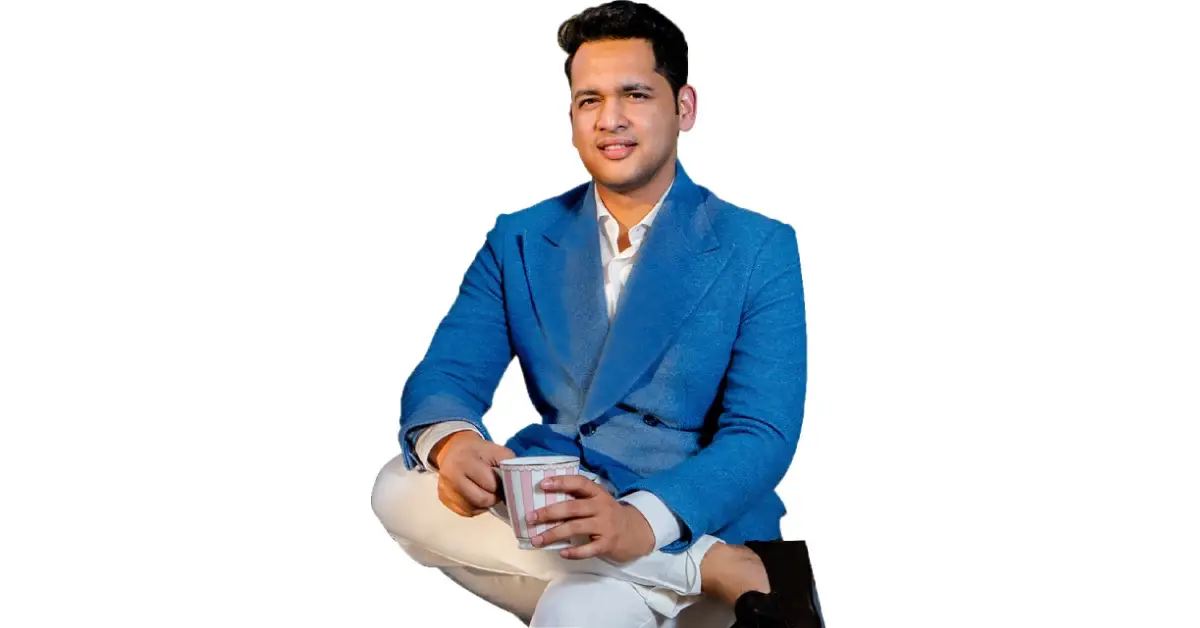
Speaking on the pre-budget expectations, Mr Yogesh Mudras, Managing Director, Informa Markets in India (organisers of SATTE), said, “With India being recognised as one of the world’s most distinctive travel destinations, the travel and tourism industry continues to be a power engine of growth within the services economy. Contributing nearly 7–8% to India’s GDP, the sector is seeing robust demand across domestic travel, religious tourism, and medical tourism.
As organisers of SATTE, South Asia’s leading travel and tourism exhibition, we see firsthand the growing confidence in India’s tourism ecosystem and the opportunities emerging across both established and lesser-known destinations.
Ahead of Budget 2026, we expect the government to sustain this momentum through reforms that reduce the cost of travel, strengthen connectivity, and enhance the tourism ecosystem, making travel more accessible for families, young travellers, and frequent explorers. Investments in airports, roads and railways will be central to unlocking new circuits and improving overall travel experiences. Targeted support for skills development will also be crucial to elevate service quality and strengthen India’s competitiveness as a destination.
At the same time, the industry hopes for continued rationalisation of GST and travel-related tax relief measures to make travel more affordable, encourage repeat journeys, and broaden tourism participation. With reforms prioritising infrastructure, fiscal prudence and workforce development, India’s travel sector is well-positioned to sustain strong domestic growth while accelerating its global appeal.”

At the hospitality operator level, changing traveller behaviour is reshaping demand dynamics across destinations. Ambika Saxena, Co-founder, TWH Hospitality, said that demand today is no longer limited to seasonal leisure travel. “Being closely involved in the hospitality ecosystem across destinations like Goa and the Tricity region, we’re witnessing a clear shift in traveller behaviour. Demand today spans experiential beach stays, wellness-led retreats, and long-stay work-from-anywhere travellers, directly influencing hotel occupancies and stay durations,” she said.
TWH Hospitality recently announced an investment of over Rs 30 crores to expand its Food & Beverage division, including new outlets in Goa and Zirakpur, as part of a broader plan to open eight F&B outlets across three new cities by 2028. While demand momentum remains strong, Saxena believes policy support will be crucial in the next phase of growth. “We expect Budget 2026 to be a real enabler if it addresses long-standing issues such as high GST on room tariffs, along with easier access to institutional credit for small and mid-sized hospitality operators,” she said.
She also highlighted the role of regional infrastructure and air connectivity in smoothing seasonality and enabling year-round operations. With the right structural push, hospitality businesses can move beyond peak-season dependence and build sustainable, all-weather demand models.

Beyond traditional hospitality, entrepreneurship and technology are emerging as key growth drivers within India’s tourism ecosystem. Manish Khattar, Founder, Bharat Hospitality, pointed out that the broader travel and tourism market is on a strong growth path and is expected to expand from around $22 billion today to over $34 billion by 2029, creating millions of jobs and attracting tens of millions of travellers.
“In 2025 alone the state welcomed over one crore visitors, largely powered by a surge in domestic demand, underscoring the destination’s enduring appeal. What’s particularly exciting now are the tech-led hospitality startups that are reimagining everything from local-led stays and curated cultural experiences to seamless guest journeys powered by digital platforms. Ahead of Budget 2026, we expect the Government to double down on this momentum. Strategic measures such as granting full industry status to travel and tourism, easing access to credit, rationalising GST, and building startup-friendly regulatory frameworks would not only lower financing costs for both established operators and emerging founders, but also unlock capital for destination-based innovation. For markets like Goa and beyond, the right fiscal signals could boost competitiveness, sustain longer tourist seasons, and ensure India’s hospitality story is shaped not just by demand, but by homegrown entrepreneurial energy,” he said
As the government balances fiscal discipline with growth priorities, the travel, tourism and hospitality sector is seeking a clear policy signal. Industry leaders believe that a combination of infrastructure investment, tax rationalisation, credit access and skill development can help transform India’s current travel boom into a resilient, inclusive and year-round growth engine—one that strengthens both domestic demand and India’s global tourism positioning.