
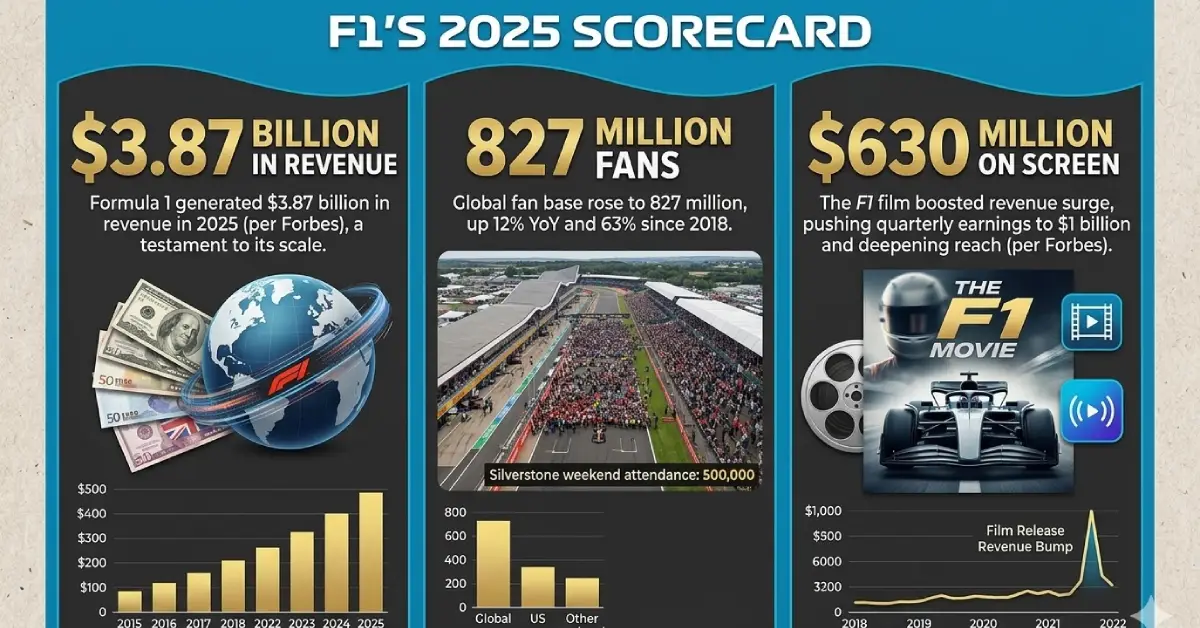
The cancellation—or even postponement—of a Formula 1 race in the Middle East is far more than a sporting disruption; it is a multi-million-dollar economic event with ripple effects across industries. In recent years, the Middle East has become a critical hub for Formula 1, hosting marquee races in Bahrain, Saudi Arabia, Qatar, and Abu Dhabi. These events are not just races—they are global spectacles tied deeply to tourism, infrastructure investment, and international branding.
When an F1 race is cancelled due to geopolitical tensions or security concerns, the immediate financial hit is significant. Host countries typically invest anywhere between $30 million to $60 million annually as hosting fees alone. Beyond that, governments and private stakeholders pour additional funds into logistics, marketing, and hospitality. A cancellation means that much of this investment yields little to no return, instantly translating into sunk costs.
The broader economic impact is even more substantial. F1 weekends attract tens of thousands of international visitors, including high-net-worth individuals, corporate sponsors, and global media. Hotels, airlines, restaurants, and local transport networks operate at peak capacity during race weekends. A cancellation wipes out this surge in demand, resulting in millions of dollars in lost tourism revenue. For cities like Abu Dhabi and Jeddah, which position these races as flagship global events, the reputational setback can also affect future visitor confidence.
Sponsorship and broadcasting revenues are another major casualty. Brands invest heavily in trackside advertising, team partnerships, and experiential marketing activations. When a race is called off, these planned exposures vanish, leading to renegotiations, compensation claims, or deferred contracts. Broadcasters, too, lose premium content that draws global viewership, impacting advertising revenues tied to race-day audiences.
Teams and logistics providers also face operational losses. Transporting cars, equipment, and personnel across continents involves intricate planning and massive costs. A last-minute cancellation disrupts supply chains and leads to wasted expenditure on freight, accommodation, and staffing.
Perhaps most importantly, such cancellations highlight the fragile intersection of global sport and geopolitics. While Formula 1 has aggressively expanded into the Middle East to tap into new markets and investment, it also exposes the sport to regional instability risks.
In essence, cancelling an F1 race in the Middle East is not just about missing a weekend of racing—it is a million-dollar decision with cascading financial, commercial, and reputational consequences for all stakeholders involved.