
As India navigates rising geopolitical tensions in West Asia, Prime Minister Narendra Modi earlier this month urged citizens to conserve fuel, cut down on non-essential spending, and consider working from home where possible.
While the appeal is aimed at managing near-term challenges, it is also reinforcing a shift that has been quietly reshaping India’s housing market for some time now.
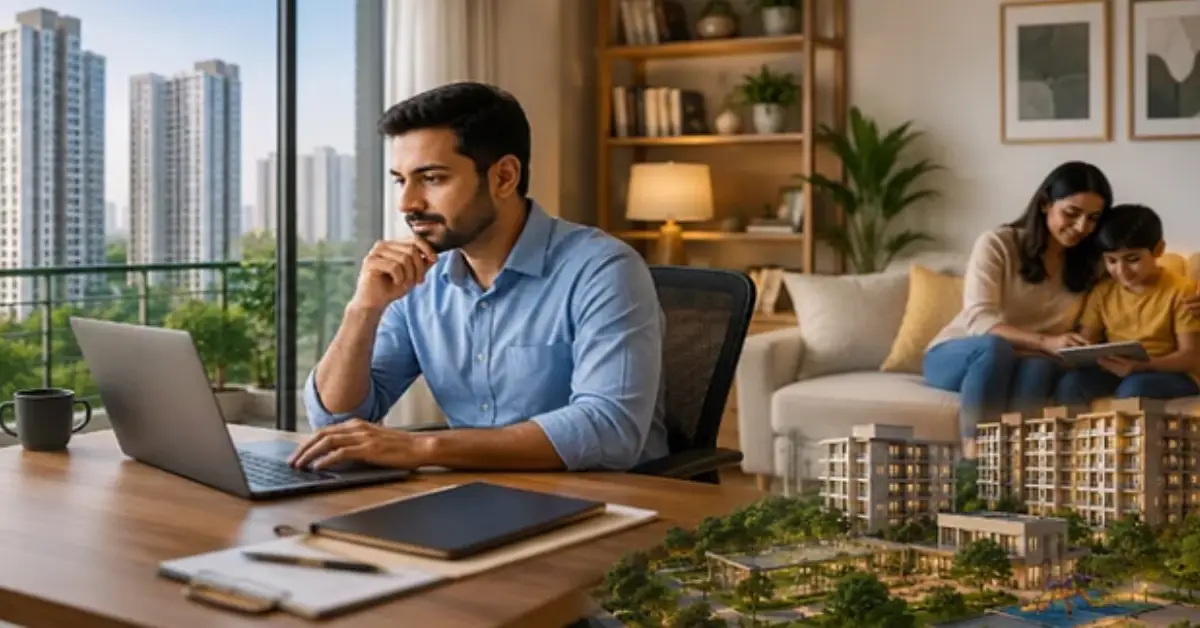
In the National Capital Region (NCR), this change is becoming increasingly visible. Homebuyers are no longer just looking for a good location—they want homes that can double up as comfortable workspaces.
The idea of “living” is expanding to include “working”, and that is influencing both what people buy and how developers design homes.
Anil Godara, Founder and Managing Director, J Estates, says this trend has been building steadily since the pandemic but is now gaining fresh momentum. “Prime Minister’s appeal for Work From Home is a catalyst for reshaping India’s residential real estate demand. Over the last three years, hybrid work culture has significantly accelerated the preference for larger homes, integrated townships, and peripheral micro-markets offering better liveability,” added Godara.
“As per industry reports, almost 35%–40% of buyers in NCR are now looking for homes with dedicated workspaces, along with communities that focus on overall well-being,” he said.
He added that connectivity is playing a key role in these decisions. “Properties near expressways are seeing more interest as they offer better connectivity and can also be more cost-effective. Work from home has widened the idea of what a home should offer—it’s no longer just a place to stay, but a place to live and work comfortably,” Godara noted.
The shift is also changing what buyers value in a project. According to Raunaq Arora and Maanu Dewan of Ace Consulting, a Gurgaon-based consulting firm, there is a clear move toward lifestyle-led housing. “As work-from-home and hybrid models become more accepted, homebuyers are increasingly prioritising larger residences and integrated communities that support live-work lifestyles. This is likely to drive demand for homes with co-working spaces, better amenities, and in emerging micro-markets,” they said.
They also pointed out that changing lifestyles are creating demand beyond just traditional housing. “There is growing interest in organised senior living communities such as Antara Senior Living by Max Group, where families can ensure better healthcare and wellness support for ageing parents, especially as younger professionals adapt to more flexible work routines,” they added.
Developers, for their part, are already responding to these needs. Ashish Jerath, President – Sales & Marketing at Smartworld Developers, said that dedicated workspaces have now become a standard feature in new projects. “Since COVID, we have seen customers prioritising a workspace within their homes, and this call from PM Modi only reinforces that trend. We’ve built this into our design philosophy—every home includes a dedicated work-from-home area. Buyers appreciate these practical additions that genuinely improve day-to-day living,” he said.
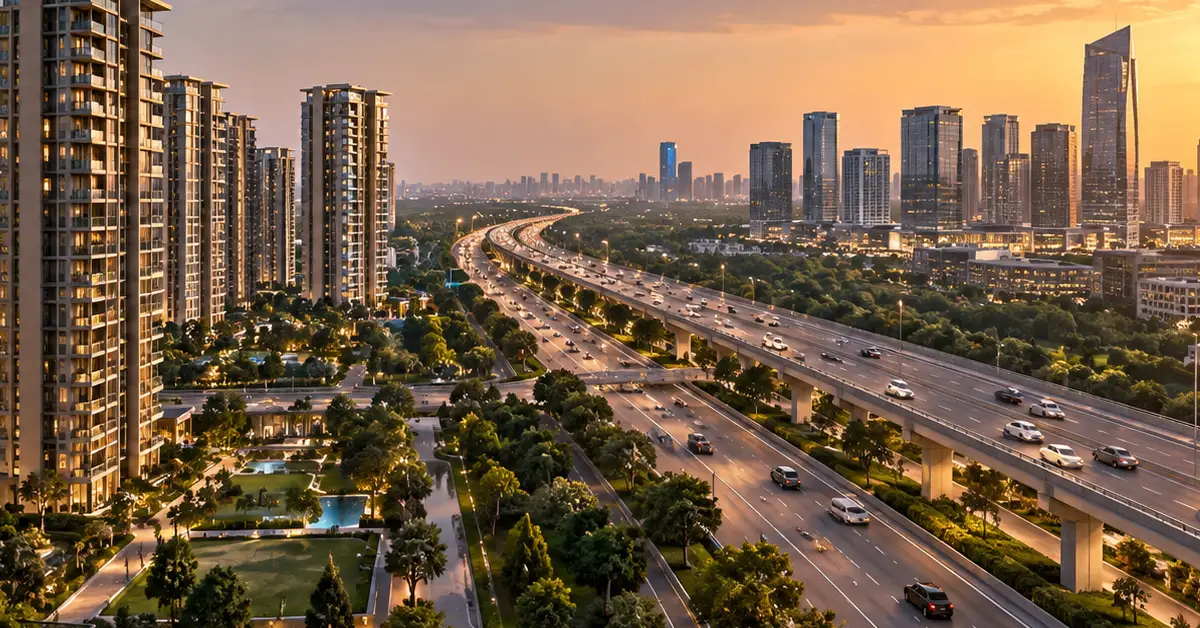
Another noticeable trend is the growing appeal of peripheral locations. Rajan Yadav, Director, Roots Developers, explained that as daily commuting becomes less critical, buyers are more open to exploring areas beyond traditional city centres. “Professionals are now willing to trade long commutes for larger, amenity-rich homes. Locations like Golf Course Extension Road, Dwarka Expressway, New Gurugram, and Sohna are likely to see both demand and price growth,” he said.
He added that expectations for housing have also gone up. “Buyers today want homes that offer almost everything within the community—gyms, swimming pools, walking tracks, and even co-working lounges. Branded residences and gated communities are well-positioned to deliver this kind of seamless work-from-home experience,” Yadav said. He also highlighted the rising importance of sustainability, noting that features like solar panels, smart climate control, and EV charging infrastructure are increasingly influencing buying decisions.
All of these point to a larger shift underway. Work-from-home is no longer just a temporary adjustment—it is shaping how people think about their homes.
In NCR, with up to 40% of buyers already factoring in dedicated workspaces, the housing market is clearly moving toward a more flexible, lifestyle-oriented future—one where comfort, convenience, and adaptability matter just as much as location.
Source: The Economic Times