
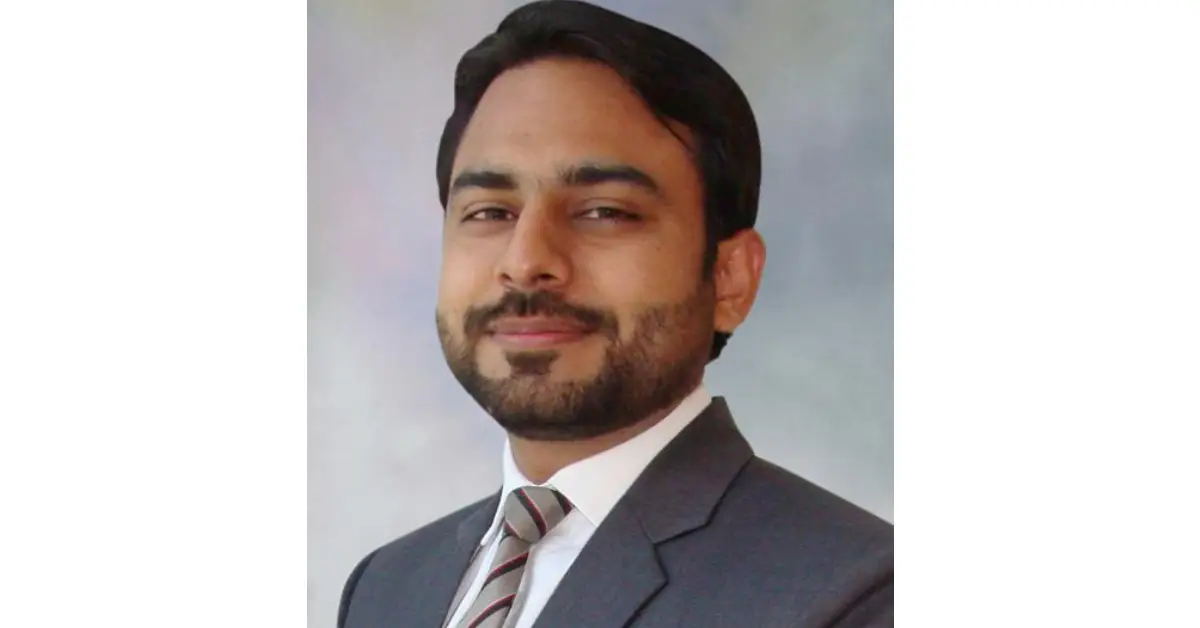
Authored by – Ashwani Kumar, Pyramid Infratech
A few years ago, wealth conversations in India revolved around growth. Now they revolve around protection. One notices this not in headlines but in behaviour. Business owners exiting partial stakes are parking money into land again. Senior professionals who once chased aggressive equity returns are buying second homes they may not use immediately. NRIs are evaluating not just city exposure, but specific micro-markets, road networks, rental depth and civic quality.
Real estate is benefiting from that mood shift. Amid inflation concerns, geopolitical instability and increasingly unpredictable financial markets, tangible assets have regained seriousness.
The interesting part is that this is no longer limited to ultra-HNIs. Upper-middle-income households are behaving differently, too. Many are stretching earlier toward premium housing, sometimes uncomfortably so, because they no longer see home ownership purely as consumption. The house is becoming part residence, part balance-sheet discipline.
In Delhi-NCR, especially across Gurugram’s newer corridors, one can see how this is playing out. Luxury demand has remained unexpectedly resilient despite rising ticket sizes. Homes above Rs. 1 crore accounted for nearly half of total housing sales across India’s top cities in 2025, according to Knight Frank India. In Delhi-NCR, apartments above that category expanded their share further during late 2025.
Among all the investment avenues, real estate offers something psychologically valuable: visible ownership linked to physical growth around it. Roads widen, offices arrive, airports expand, metro lines move outward, and retail follows. The asset sits inside an evolving city rather than inside a fluctuating screen.That distinction matters more now than it did a decade ago.
There is also a generational shift underway in how affluent families think about legacy. Increasingly, families want consolidated, institutional-grade assets that can survive transition without becoming management burdens later. Branded residences, managed communities, and income-generating commercial assets are attracting attention partly because they reduce friction across generations.
The manner in which projects are evaluated has also changed. Location alone is no longer enough. Buyers now examine developer governance, maintenance ecosystems, tenant quality, infrastructure visibility, and even municipal direction. They want assets capable of ageing well. And infrastructure has become central to that conversation.
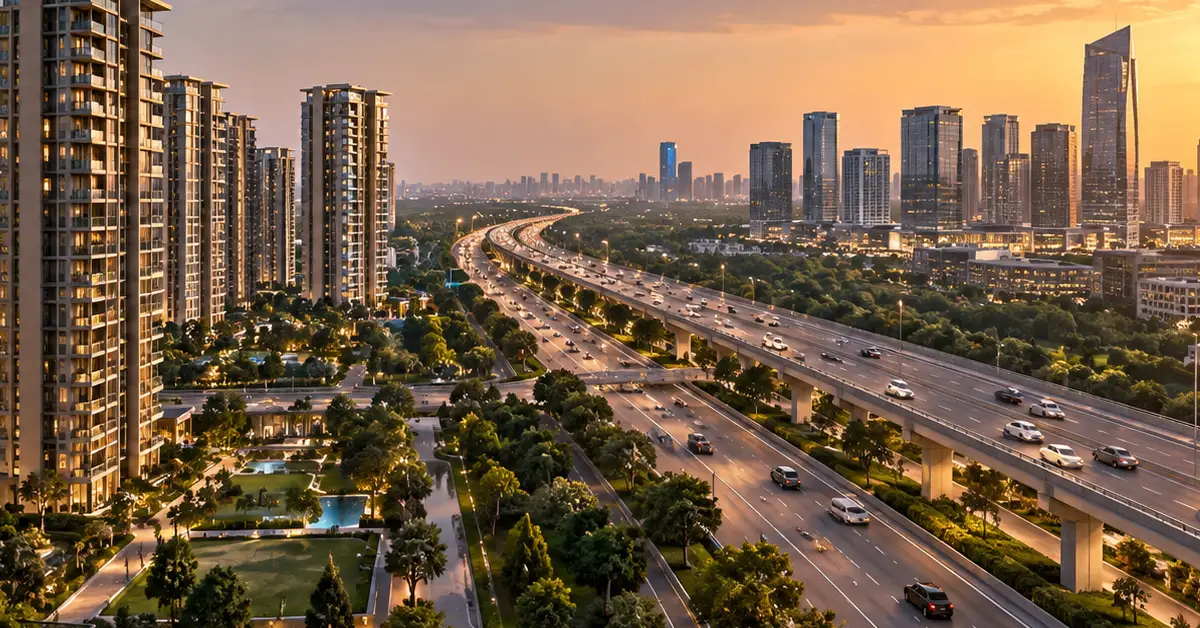
The real acceleration in Gurugram over the last several years did not happen merely because of housing demand. It happened because infrastructure finally began synchronising with capital. The Southern Peripheral Road, Dwarka Expressway and surrounding sectors moved from speculative maps into functioning urban corridors. Once that transition happens, pricing changes permanently. Property values along the SPR, according to industry reports, have seen substantial appreciation over recent years.
Real estate is being viewed as stable precisely because it is relatively illiquid. After years of watching capital evaporate rapidly across volatile asset classes, many investors have rediscovered the comfort of slower-moving assets. Property prices do not refresh every second. This emotional stability offers financial value.
Of course, real estate itself remains uneven. India still has oversupplied pockets. The sector has not suddenly become rational. But the better parts of the market are becoming more disciplined, and buyers are becoming more selective in ways that were absent during earlier booms.
That is why this cycle feels different. The market does not feel euphoric. It feels cautious, almost strategic. People are not buying simply because prices may rise. They are buying because they are unsure what else will reliably preserve value over the next fifteen years.
And somewhere beneath all the market language, that is really what this phase is about. Not wealth creation alone. Wealth retention.