
By Mrinaal Mittal, Managing Director, Homeland Group
The rise of e-commerce has fundamentally changed how India shops, but it has not diminished the relevance of physical retail. If anything, it has forced the industry to rethink what a physical retail destination should offer. When convenience and transactions can happen from a smartphone, a visit to a mall has to offer something more—a reason to step out, spend time and engage. This is where the next phase of India’s retail story is taking shape.
The future of physical retail will not be defined by how closely it can replicate the online shopping experience. It will be defined by how effectively it can offer what digital platforms cannot—a sense of discovery, human interaction, social connection and memorable experiences. The consumer is no longer visiting a mall only to purchase a product; increasingly, the visit itself has become part of the consumption experience.
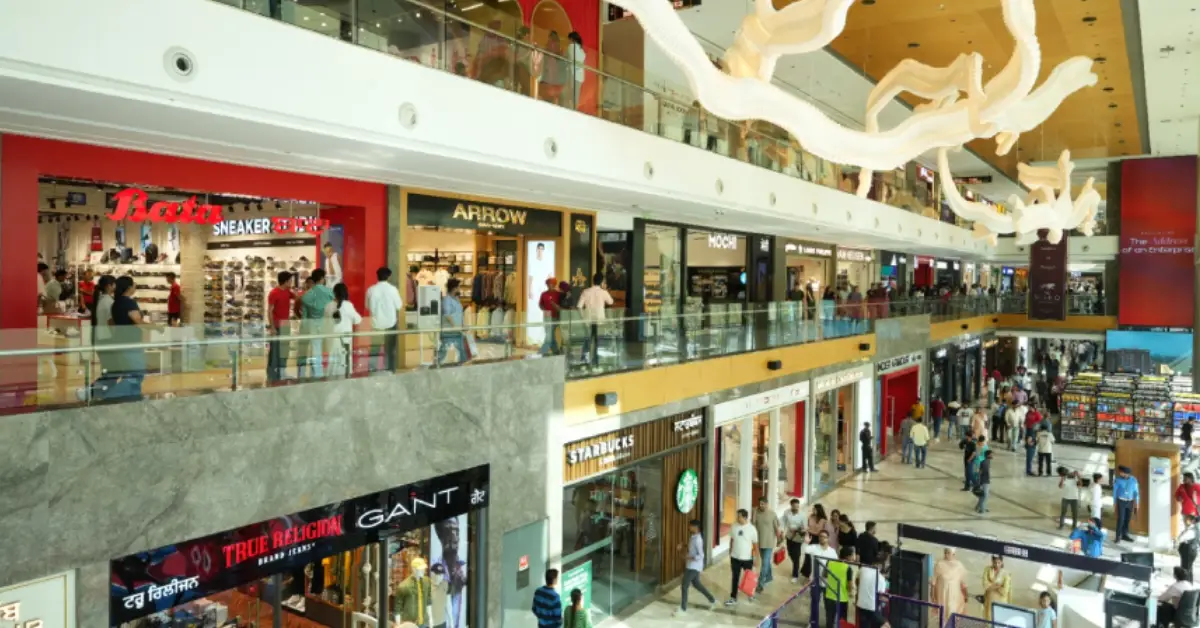
This is driving a fundamental shift in how retail real estate is conceived. The traditional shopping centre, built primarily around stores and transactions, is evolving into a broader lifestyle destination. Retail now sits alongside dining, entertainment, leisure, events and community experiences. The objective is to create an environment where different needs come together naturally and where consumers have multiple reasons to visit.
For developers, this evolution requires looking at retail assets beyond their leasable area. The spaces between stores matter just as much as the stores themselves. Atriums, event areas, food and beverage zones, entertainment spaces, outdoor environments and community-oriented areas can all influence how consumers experience a destination. In the new retail environment, placemaking is becoming as important as property-making.
Experience is emerging as one of the strongest differentiators. A consumer may enter a retail destination to shop, but an engaging restaurant, a live performance, a cultural event, an interactive installation or a family activity can extend the visit and create a stronger connection with the destination. These experiences also create additional opportunities for brands to engage with consumers in ways that go beyond conventional advertising and point-of-sale interactions.
This makes dwell time an increasingly important consideration for retail real estate. Footfall will remain a fundamental metric, but the quality of that footfall matters. A destination that attracts consumers for a quick transaction is different from one that encourages them to spend several hours shopping, dining, socialising and participating in experiences. The ability to create meaningful engagement can ultimately strengthen the relationship between the consumer, the retailer and the asset.
Technology will be an important enabler of this transformation. However, the role of technology should not be to make physical retail look like e-commerce. It should make the physical experience more seamless. Digital loyalty programmes, personalised communication, data-led recommendations, smart navigation and integrated customer platforms can help retailers and developers understand their audiences better and respond to their changing preferences.
Personalisation will become particularly important as consumers become accustomed to highly curated digital experiences. The same consumer who receives personalised recommendations online increasingly expects relevance offline as well. Retail destinations can use insights responsibly to create more targeted experiences, loyalty benefits, events and communication. The objective should be to make consumers feel understood rather than simply marketed to.
At the same time, physical retail has an advantage that technology cannot replace—its ability to create communities. A well-designed retail destination can become a shared social environment where people gather not only to shop, but to celebrate, interact and participate. From cultural festivals and food experiences to live entertainment, children’s activities and community events, programming can give a destination a sense of identity that goes beyond its tenant mix.
This is particularly relevant for India’s rapidly developing urban centres. As infrastructure and connectivity improve and consumer aspirations rise, demand for quality retail and lifestyle experiences is expanding beyond the largest metros. Consumers in emerging cities are increasingly seeking destinations that combine premium brands with dining, entertainment and social experiences. This presents a significant opportunity for developers to create retail assets that are both commercially strong and deeply connected to their local catchments.
It also means that tenant curation will become increasingly strategic. A successful retail destination cannot depend on a static brand mix. Consumer preferences evolve, new categories emerge and the distinction between retail, entertainment, food and lifestyle continues to blur. Developers will increasingly have to think like curators—constantly evaluating what their audience wants today and, more importantly, what it is likely to want tomorrow.
For retailers, this transformation creates a new role for the physical store. It is no longer simply a place where a product is displayed and sold. It can become a space for discovery, trial, consultation, storytelling and community engagement. The most effective retail strategies will therefore bring online and offline channels together, allowing consumers to move naturally between digital discovery and physical experience.
This is why the conversation around online versus offline retail is becoming increasingly outdated. Consumers are not necessarily choosing one over the other. They may discover a brand through social media, research it online, visit a physical store, attend an event at a mall and complete a purchase through either channel. The consumer journey is now fluid, and physical retail remains a critical part of that journey because it provides the sensory and social dimension of consumption.
For the real estate industry, the implication is clear: the future of retail will depend not simply on creating more space, but on creating more relevant space. Location, accessibility, quality and tenant mix will continue to determine the fundamentals of an asset. But long-term relevance will increasingly depend on how effectively a destination can adapt, activate its spaces and remain connected to its consumers.
The next generation of retail destinations will therefore need to be dynamic rather than static. They will have to evolve with changing lifestyles, refresh their experiences, embrace technology and continuously create new reasons for consumers to return. A mall’s success will increasingly be measured not only by what it sells, but by what it makes people feel, experience and remember.
India’s retail real estate sector stands at an interesting inflection point. The growth of digital commerce has not made physical spaces obsolete; it has raised the bar for them. Consumers now have greater choice, and physical destinations have to earn their time and attention.
The opportunity is to build retail environments that become part of people’s lifestyles rather than simply places they visit when they need something.
The next retail revolution, therefore, will not be about *physical versus digital. It will be about bringing the strengths of both together while making physical spaces more experiential, more intelligent and more human.
The future of retail will belong to destinations that do more than facilitate transactions—they will create experiences that make people want to return.