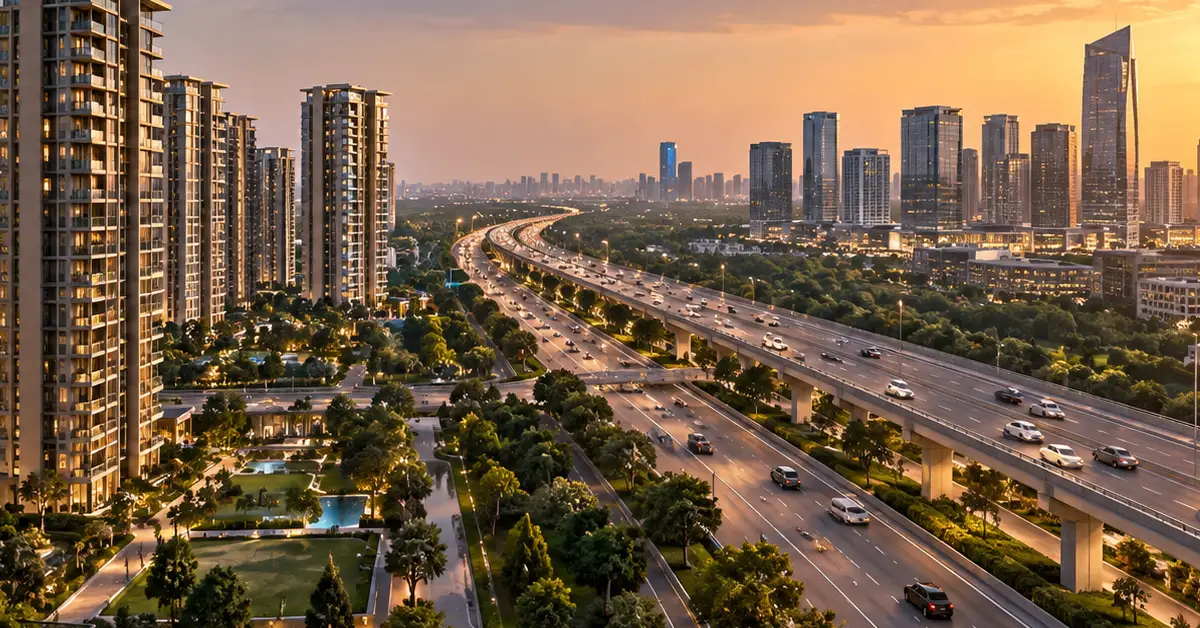


The inauguration of Navi Mumbai International Airport (NMIA) marks a pivotal milestone in India’s aviation landscape, promising to alleviate capacity bottlenecks in the Mumbai Metropolitan Region (MMR) while amplifying economic and social benefits. As per IATA’s Regional Vice President for Asia-Pacific, Sheldon Hee, “Aviation contributes USD 53.6 billion to India’s economy and supports 7.7 million jobs. Navi Mumbai Airport will ease the capacity constraints in the Mumbai region, strengthen connectivity, and bring even greater economic and social benefits to the Indian economy.” This infographic-style article dives deeper, infusing additional data from recent 2025 reports, growth forecasts, and visual representations to illustrate NMIA’s transformative role.
NMIA at a Glance: Key Project Highlights
Built at a cost of Rs 19,650 crore for its first phase, NMIA was inaugurated by Prime Minister Narendra Modi, heralding enhanced air connectivity for one of India’s busiest hubs. Here’s a breakdown:
| Aspect | Details |
| Inauguration Date | October 2025 (operational from December 25, 2025) |
| Phase 1 Cost | Rs 19,650 crore |
| Full Capacity (2036) | 90 million passengers annually, doubling Mumbai’s current handling |
| Cargo Capacity | 3.25 million metric tonnes annually |
| Current MMR Demand | 70-75 million passengers per annum (MPPA) |
This infrastructure boost is set to redefine Mumbai’s skyline and economy.
Aviation’s Economic Powerhouse: Stats & Impacts
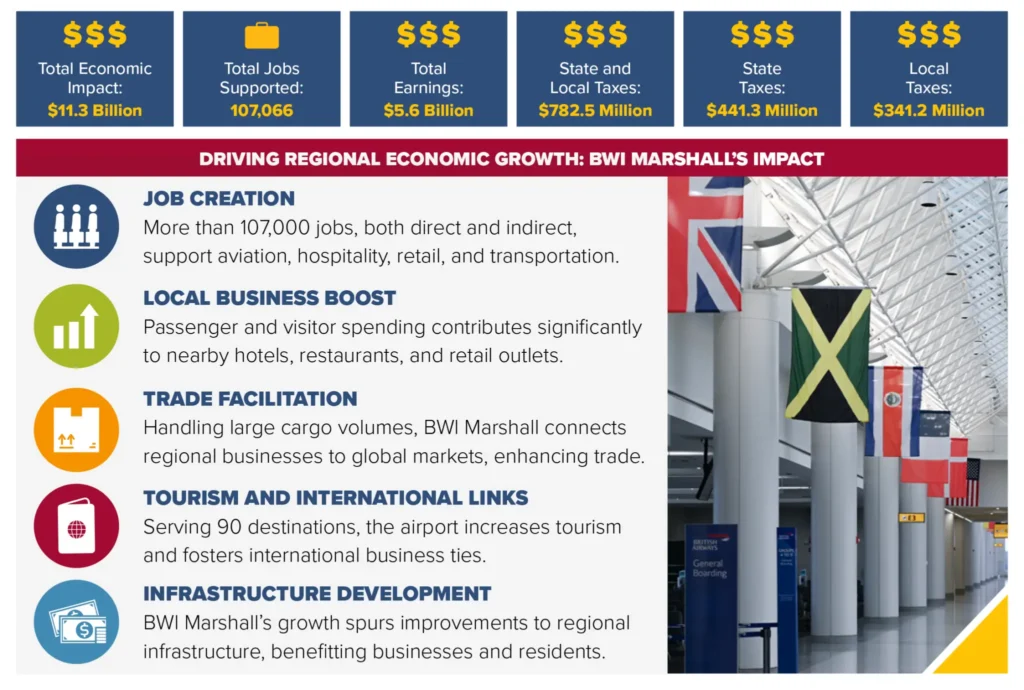
India’s aviation sector is a major GDP driver, contributing USD 53.6 billion (1.5% of total GDP) and supporting 7.7 million jobs as of 2023-2025 data. Directly, it employs 369,700 people and generates USD 5.6 billion in output, with indirect effects rippling through tourism, supply chains, and more. NMIA alone is projected to amplify this: A 1% rise in air connectivity could lift GDP by 0.5%. Non-aero revenues (retail, F&B, parking) could account for up to 40% of airport earnings, fostering local businesses.
Infographic: Aviation’s Ripple Effect on India’s Economy
- Direct Jobs: 369,700
- Total Jobs Supported: 7.7 million (including tourism and supply chain)
- GDP Contribution: USD 53.6 billion
- Cargo & Logistics Boost: NMIA’s 3.25M tonnes capacity to spur exports/imports Visualize this as a pie chart: 40% non-aero revenue (blue), 60% aero (green), highlighting diversified income streams.
Broader impacts include real estate surges in areas like Ulwe, where residential prices have jumped 110% to ₹8-13k/sq.ft., with 15% annual appreciation forecasted due to metro, mall, and airport synergies. Commercial developments in retail and hospitality are also accelerating.
Soaring Growth Trends: Passenger Forecasts & Projections
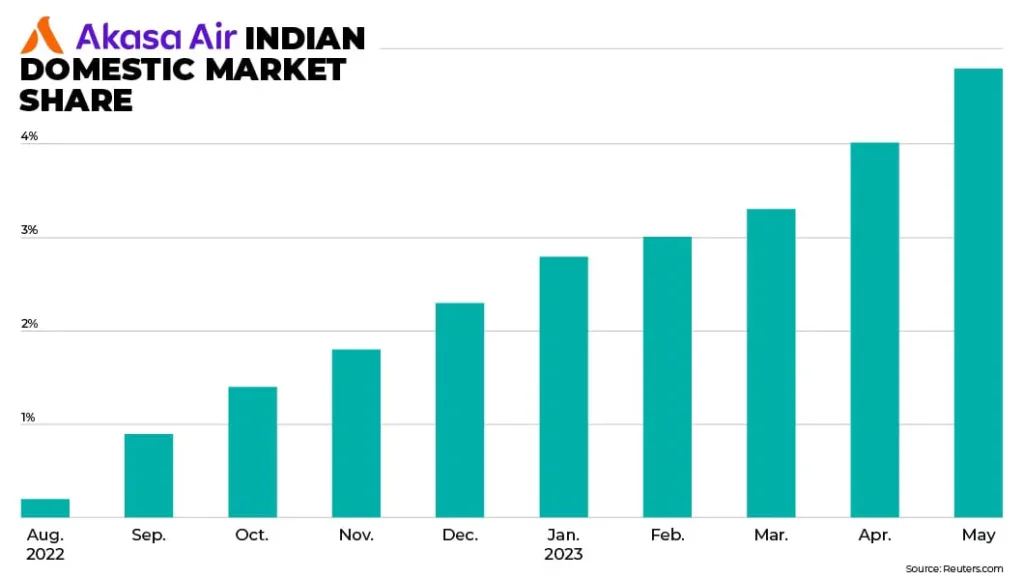
India’s aviation is on a steep ascent, ranking as the world’s third-largest domestic market. In FY26 (April-July 2025), total passenger traffic hit 96.54 million, with domestic projected to grow 3.5% and international 8% annually. October 2025 saw a 4.5-5% YoY rise in domestic traffic, while international grew 5.8% in September.
IATA forecasts 5.6% average annual growth over the next 20 years, adding 425 million annual passengers. IndiGo leads with 63% domestic market share. Initiatives like Digi Yatra and Greenfield Airports Policy are fueling this, supporting Vision 2047 for a thriving sector.
Passenger Growth Trajectory
- 2023: ~200 million total passengers
- 2025 (H1 FY26): 202 million
- Forecast 2043: +425 million additional
This upward trend underscores NMIA’s timely role in handling surging demand.
Summary of Growth Driver Impacts
| Driver Category | Key Impact | Supporting Stat / Forecast |
| Economic Growth & Incomes | Drives core demand surge | +425 million additional passengers by ~2043; 6.5% annual GDP growth |
| Urbanization & Demographics | Creates new routes and hubs | Domestic connectivity index +19.6% post-COVID |
| Infrastructure Expansion | Removes capacity bottlenecks | 230 airports by 2030; ₹96,000 crore invested (FY20–25) |
| Low-Cost Carriers & Fleet | Enhances affordability and frequency | 1,700+ aircraft on order; IndiGo ~63% domestic share |
| Policy & Liberalization | Reduces barriers and costs | 100% FDI; market liberalization cuts fares up to 30% |
| Tourism, Trade & International | Boosts inbound and cargo traffic | Aviation supports USD 53.6B GDP & 7.7M jobs |
Broader Economic Ripple Effects
- Real Estate Boom: Areas like Ulwe near NMIA have seen residential prices rise 110% in recent years.
- Job Creation: Direct (airlines, airports) + indirect (tourism, logistics, retail).
- Non-Aero Revenue Potential: Retail, F&B, and parking could contribute up to 40% of airport revenues.
Beyond the Runways: Social & Regional Benefits
NMIA isn’t just about flights—it’s a catalyst for connectivity, easing Mumbai’s constraints and integrating with national networks. It supports Maharashtra’s global identity, boosts infrastructure, and creates jobs in cargo, retail, and hospitality. Challenges like community impacts (e.g., fishing livelihoods) are noted, but overall, it’s poised for positive socio-economic transformation.
In summary, NMIA embodies India’s aviation ambitions, blending robust stats with forward-looking trends to drive economic prosperity. As air travel evolves, this airport will be key to unlocking greater connectivity and growth.