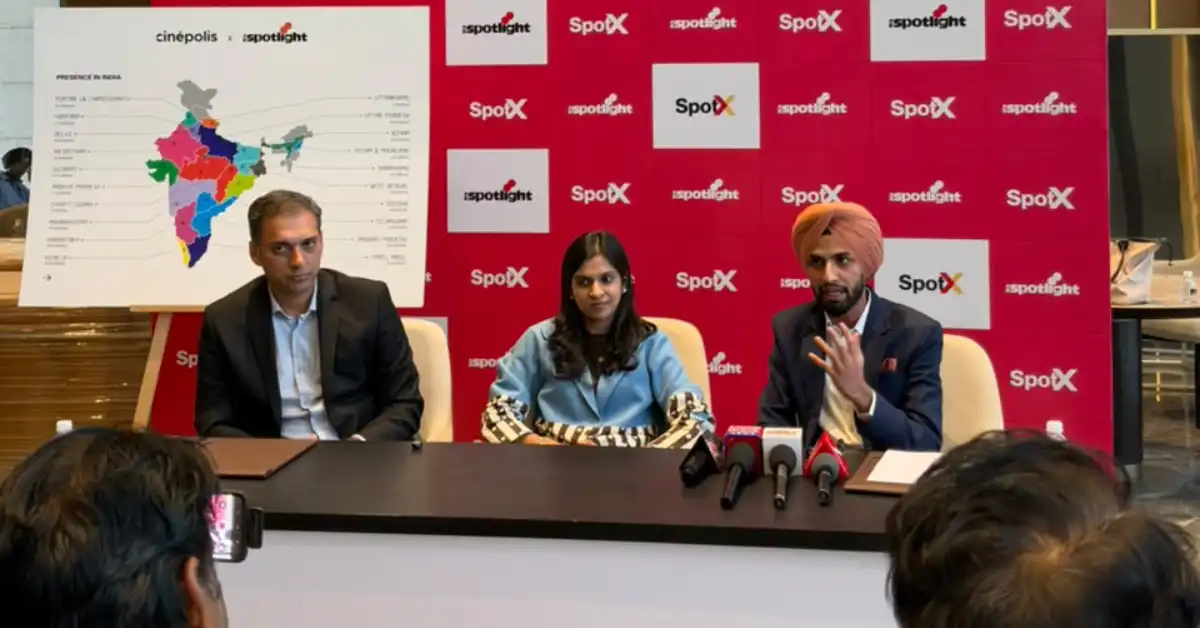


In a conversation with the CNC-24 team, Mitul Jain, MD, SPJ Group, talks about the evolving landscape of India’s retail real estate and how SPJ Group is positioned to lead the way for organized retail culture in Old Gurgaon.
How do you view the performance of India’s retail real estate sector in 2025 compared to other asset classes?
Looking back at how 2025 played out, what really struck me was how retail real estate found its footing. In Delhi-NCR, retail leasing jumped noticeably in the first half of the year; roughly a quarter more space was absorbed compared to before, and that wasn’t just driven by one segment but by fashion and lifestyle brands expanding physically again. New supply also entered the market at a healthy pace, a little over a million square feet in a single quarter, and was taken up without disrupting rentals, which edged up in the low single digits; and that’s a good sign. What it indicates is simple: this isn’t a fluke or a short-term spike. Retail today is offering stable cash flows, longer tenant sustainability, and real pricing power; a rare combination that rewards thoughtful development over time.
Tell us about Vedatam by SPJ Group and its core philosophy on designing and planning?
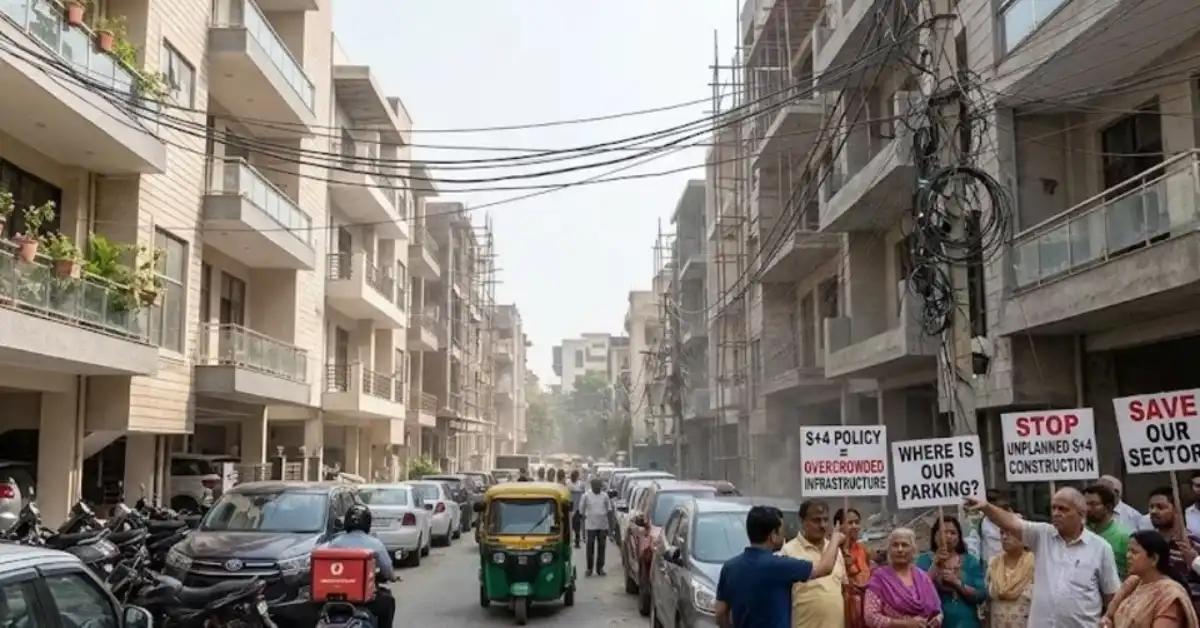
Vedatam was never meant to be just another retail address on the map. From the very beginning, the objective was clear—to create a neighbourhood-led, consumer-centric, organized retail destination that Old Gurugram genuinely lacked. Sector-14 is a dense, lived-in catchment, and what it needed was not a weekend mall but an everyday, community-centric place which people could rely on. That’s why Vedatam brings retail, dining, entertainment and community spaces together in one cohesive environment. Ease of access, strong brand visibility and regular footfall were central to the plan. The mix naturally encourages people to stay longer and return often. Even the shift to a fully air-conditioned mall was a conscious move, keeping evolving family expectations in mind. Add to that a multi-level parking facility for over 1,100 cars—critical in an area where parking is always a challenge—and Vedatam becomes less about retail alone and more about strengthening neighbourhood life.
Tell us about your leadership philosophy in a market that is becoming increasingly experience-driven and consumer-centric?
My approach to leadership is very grounded in how people actually live their everyday lives—how they shop, where they spend time, and what they expect from spaces today. Understanding how different retail categories compete for a customer’s wallet is important, but at the same time, we’re in a phase where real estate is increasingly experience-led rather than purely transaction-driven, so relying only on numbers isn’t enough. You have to read behaviour, notice lifestyle shifts, and let that guide planning. Being customer-first, for me, is less about piling on amenities and more about getting the small things right; for example, ensuring baby feeding rooms are conveniently available on every floor; touchpoints that feel natural and intuitive. I also believe strongly in collaboration, whether it’s within the team or with retail and F&B partners, because shared thinking leads to better outcomes. Internally, I encourage curiosity, experimentation, and agility. Ultimately, it’s about uniting long-term vision with strong execution to build destinations that feel relevant and commercially sustainable.
What key differentiators define Vedatam’s position in the competitive retail real estate landscape?
What truly sets Vedatam apart is how closely it has been planned around its immediate surroundings. As the first organized retail destination in Old Gurugram’s Sector-14, it responds to a very real gap in an area that was largely dependent on unstructured retail. Many brands already operating in the surrounding area were clearly in need of a more organised and thoughtfully designed retail environment—one that not only supports their current business but also gives them the right platform to grow consistently over the years. The layout is intuitive; retail anchors and inline brands at the lower floors, F&B and dining create natural pause points in the middle of the development, and entertainment like the multiplex, pub and lounge at the top that keeps footfalls active across the property throughout the day. Its connectivity to NH-48 and the Dwarka Expressway, along with easy access to the metro, IGI Airport and a dense residential catchment, adds to its everyday relevance. More importantly, Vedatam balances community-led design with strong operational fundamentals, which gives it a clear edge over conventional standalone retail developments.
How is SPJ Group re-aligning its portfolio to capitalize on India’s growing appetite for organized retail and mixed-use developments?
Over the last few years, we’ve been very deliberate about how our portfolio evolves with shifting consumer behaviour and changing urban dynamics. The focus has moved towards organized retail and mixed-use formats that fit naturally into people’s daily routines. Vedatam resonates with this idea—a neighbourhood-led community designed for brands that need visibility, structure and access to a dense, well-connected catchment. At a broader level, we believe retail works best when it’s part of a larger ecosystem. When shopping is complemented by dining, leisure and entertainment, it becomes a place that resonates with people’s daily lives. We’re also selective about micro-markets, choosing locations with inherent footfall and strong fundamentals, while ensuring every asset is efficient, sustainable and built to stay relevant over the long term.
What consumer behaviours do you expect to define 2026 — and how will they influence retail real estate growth?
As we head into 2026, consumers are becoming much more deliberate about how they spend their time, not just their wallets. Shopping today is rarely a single-purpose trip; it’s usually part of a larger outing that includes eating out, meeting people, or simply unwinding. There’s a clear pull towards destinations that make this easy, where convenience and experience come together seamlessly. At the same time, themes like sustainability and wellness are beginning to influence where people choose to go. For retail real estate, this shift is important. Growth will increasingly favour adaptable, experience-led spaces that stay relevant to everyday life, encourage people to linger, and naturally build a sense of community rather than focusing only on transactions.
How can the industry better balance sustainability and customer experience in retail developments?
I don’t see sustainability and customer experience as two separate goals anymore; they work best when they’re designed together from day one. The key is to embed sustainable thinking into how a space actually functions, rather than treating it as an afterthought. Vedatam, as an IGBC Certified Project, demonstrates our intent to design and build a high-performance building in line with the IGBC Green New Building Rating System. This reflects choices around energy efficiency, ventilation, daylight optimization and material selection, all of which directly improve comfort for visitors. When sustainability enhances how a space feels, cooler, brighter, and easier to move through, it naturally elevates the experience. Add efficient operations and transparent communication, and sustainability becomes a lived benefit, not just a checklist, while future-proofing the asset at the same time.
What strategic priorities should developers and retailers focus on to thrive in 2026?
To stay relevant in 2026, developers and retailers will need to think beyond scale and focus more on adaptability and everyday experience. Location decisions will matter more than ever; retail only works when it’s anchored in dense catchments and supported by a strong surrounding ecosystem. Flexibility in design, through modular layouts or pop-up-friendly spaces, will allow assets to respond quickly to shifting consumer trends. Technology will play a much larger role as well. Retailers are already exploring AI-led trials and personalized journeys, while developers must integrate systems that save time for shoppers, such as smart navigation and queue management. Sustainability and operational efficiency need to be embedded early, not added later. Ultimately, the projects that succeed will be those that remain agile, consumer-focused, and closely aligned with how people actually live and shop.