
As the war in West Asia continues to disrupt global oil markets and shipping routes, Prime Minister Narendra Modi has shifted the national conversation away from abstract geopolitics, towards something far more personal: how ordinary Indians spend, travel, commute and consume every day.
From appealing to people to work from home and use public transport to asking them postpone gold purchases and avoid foreign holidays, PM Modi’s recent appeals are more than just symbolic austerity messaging. They reflect a deeper concern within the government, protecting India’s foreign exchange reserves and insulating the economy from a prolonged global shock.
What stands out is that PM Modi is not announcing restrictions or bans yet. Instead, he is trying to trigger voluntary behavioural changes at the household level before the crisis worsens.
Why Everyday Consumption Matters
India imports nearly 88 per cent of its crude oil needs. When conflict intensifies in West Asia, especially around the Strait of Hormuz, through which a large share of the world’s oil passes, energy prices spike immediately.
That creates pressure on three fronts simultaneously:
- India spends more dollars importing oil
- The Rupee weakens
- Inflation risks rise across transport, food and household goods
In such a situation, even small reductions in fuel consumption across millions of households can significantly reduce pressure on imports. That is why PM Modi’s appeal focused on daily habits rather than grand policy announcements.
“I appeal to every citizen of my country to reduce the use of petrol and diesel as much as possible,” the Prime Minister said while urging people to use metros, buses, public transport and carpooling.
He also revived a Covid-era idea that many believed had faded away. “It is essential that priority be given to virtual meetings and work from home in both government and private offices,” Modi said.
Fewer office commutes mean lower fuel consumption, especially in India’s major urban centres where lakhs of vehicles hit roads every day.
Why Cooking Oil Consumption Is Part Of The Appeal
One of the lesser-discussed but economically significant parts of PM Modi’s appeal was his call to reduce edible oil consumption. India imports a major share of its edible oil requirements every year, spending billions of dollars on shipments from countries such as Indonesia, Malaysia, Argentina and Ukraine. Any disruption in global trade routes or commodity markets can sharply raise domestic prices.
By asking citizens to reduce excessive use of cooking oil, the government appears to be pursuing two objectives simultaneously:
- reducing pressure on import bills during a global crisis
- encouraging moderation at a time when food inflation risks remain high
The messaging also broadens the idea of “economic preparedness” beyond fuel conservation alone. The government is effectively telling citizens that national resilience during global instability may require restraint even in everyday household consumption patterns.
Why PM Modi Asked People To Pause Gold Purchases
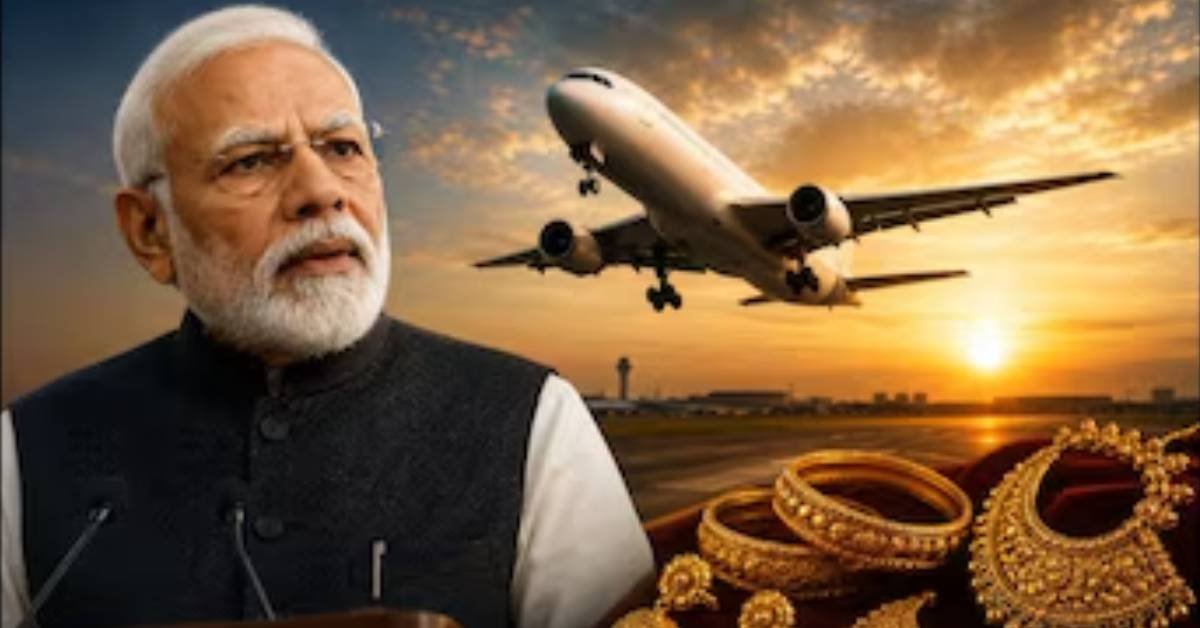
Perhaps the most politically striking part of Modi’s appeal was his request to postpone buying gold for a year. In India, gold is more than a mere investment, it is culturally embedded in weddings, festivals and household savings. But economically, gold imports are a major drain on foreign exchange reserves because almost all of it is bought from abroad in dollars.
According to estimates cited in recent reports, India imported nearly $72 billion worth of gold in FY26, making it one of the country’s largest import expenses after crude oil.
The government appears worried about a double blow with oil becoming more expensive because of war, and gold demand rising because people traditionally rush to gold during global uncertainty. That combination could sharply widen India’s current account deficit and put urther pressure on the Rupee.
Why Foreign Holidays And Destination Weddings Are In Focus
PM Modi’s appeal to avoid unnecessary foreign travel may sound unusual for a government that often celebrates India’s growing global middle class. But it ties directly into the same economic concern: dollar outflow. Every overseas vacation, shopping trip or destination wedding abroad increases demand for foreign currency.
The Prime Minister urged families to consider Indian destinations instead, linking the idea to both economic nationalism and forex conservation.
This is also why the government’s messaging repeatedly invokes the “Vocal for Local” campaign.
The government has repeatedly insisted there is “no crisis” and no immediate shortage of fuel. The government has said PM Modi’s appeals are a step towards ensuring India remains prepared for any future shocks. Instead of imposing mandatory curbs immediately, the government appears to be testing whether voluntary restraint can soften the economic impact first.
There is also a political calculation here. Indians still remember the disruptions of Covid-19 — remote work, online classes, digital meetings and reduced travel. Modi is invoking those familiar behavioural adjustments again, but this time in the context of economic resilience rather than public health.
The larger message is that geopolitical crises are no longer distant events affecting only governments and oil companies. In an interconnected economy, what families buy, how they commute and where they travel can directly influence national economic stability.
Source: News18.com